Starting your wood carving journey can be super exciting, but having the right tools makes all the difference. You don’t need a giant toolbox filled with everything imaginable. A few good, basic tools will set you up for success.
First up, get yourself a solid carving knife. Look for one that feels comfortable in your hand. You want something that’s sharp and easy to control. A small chip carving knife can do wonders for those detailed areas, while a whittling knife is fantastic for general work. A good knife will make carving smoother and more enjoyable!
Next, consider a carving gouge. This tool has a curved blade that allows you to scoop out wood easily. It’s perfect for adding texture or shaping your projects. Start with just a couple of sizes, as it’s easier to learn and manage. You can always add more later once you feel confident.
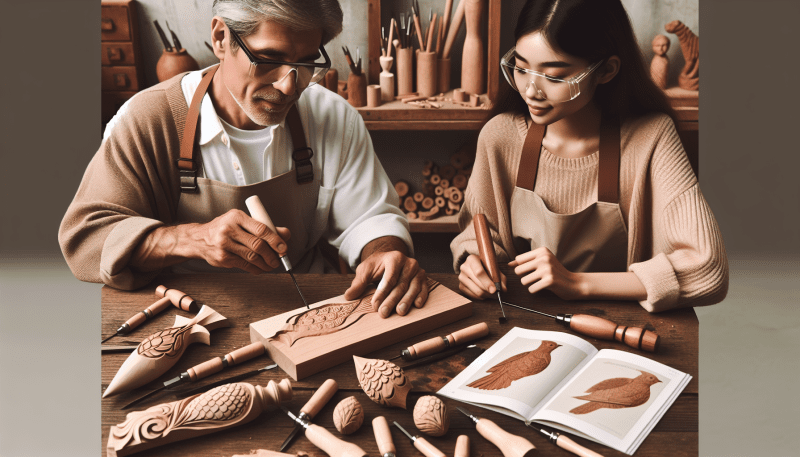
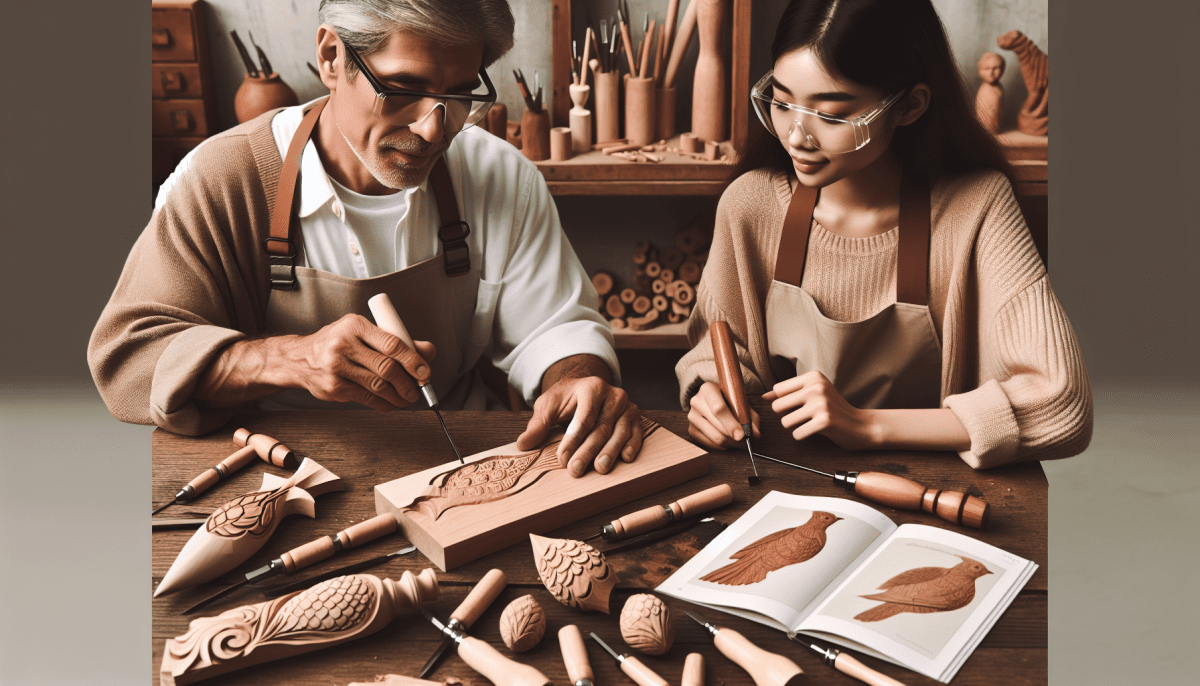
Don’t forget about safety gear! A cut-resistant glove can save your fingers from accidental slips. A comfortable carving glove makes carving much easier, too, especially when you're really getting into the groove. Lastly, keep your workspace tidy and well-lit. It helps you see your work better and keeps everything safe.
Choose the Best Wood for Carving
Choosing the right wood is crucial for carving. Different types of wood have unique characteristics that affect how easily you can carve them and the final look of your project. For beginners, it’s best to start with softer woods. They are easier on your tools and your hands.
Here are some great options:
If you’re feeling adventurous, you can experiment with hardwoods like oak or walnut later on. They’re tougher to carve and require sharper tools, but the results can be stunning. Just remember, starting with a softer wood will help build your confidence and skills.
Don’t forget about the size of your wood pieces. Start with smaller blocks, so you have a manageable project. As you get more comfortable, you can tackle larger carvings. Happy carving!
Master Basic Techniques for Carving
Wood carving is a fun and rewarding hobby, and mastering some basic techniques can make a world of difference. Start simple! Get a softwood like pine or basswood—these woods are easier to carve and great for beginners. Using the right tools is essential, too. Invest in a basic set of carving knives and chisels. You'll find them more comfortable to hold and easier to control.
Let’s dive into some essential techniques. First up is the push cut. It’s all about sliding the blade toward you. This cut gives you precision, so it's perfect for detailing. Next is the pull cut, where you drag the blade away. This technique works great for removing bigger pieces of wood, helping you shape your project without too much effort.
Don’t forget about the importance of grip! Keep a steady grip on your tool. It helps you maintain control and improves your overall accuracy. Use your thumb as a guide while you carve. It’s amazing how much a little stability can enhance your technique.
Finally, practice makes perfect! Start with small projects—maybe a simple spoon or a small animal figure. Each carving teaches you something new, so embrace the learning process. You’ll notice your skills improving faster than you think. Happy carving!
Stay Safe and Have Fun
Wood carving is a fantastic way to express your creativity, but keeping safety in mind is super important. Grab some protective gear to keep yourself safe while you carve. A good pair of gloves can help prevent cuts, and safety goggles are a must to protect your eyes from flying wood shavings.
Always make sure your work area is clean and organized. A clutter-free space not only helps you focus but also reduces the risk of accidents. And if you’re working with sharp tools, find a sturdy table or bench to keep everything steady.
Don’t rush your carvings. Take your time and enjoy the process! Practice makes perfect, and learning to carve can be a relaxing experience. Plus, if you mess up, just view it as part of your learning journey. Every great carver has plenty of tales of their early mistakes!
Lastly, have fun with it! Experiment with different wood types and carving techniques. The joy is not just in the end product, but in the whole carving adventure. So grab that wood, pick up your tools, and let your creativity flow! Happy carving!